



Street dogs are an important part of many communities, especially in urban and rural areas. These dogs often live without permanent shelter, regular food, or proper medical care. While some are cared for by local residents, many face daily challenges that affect their health and well-being.
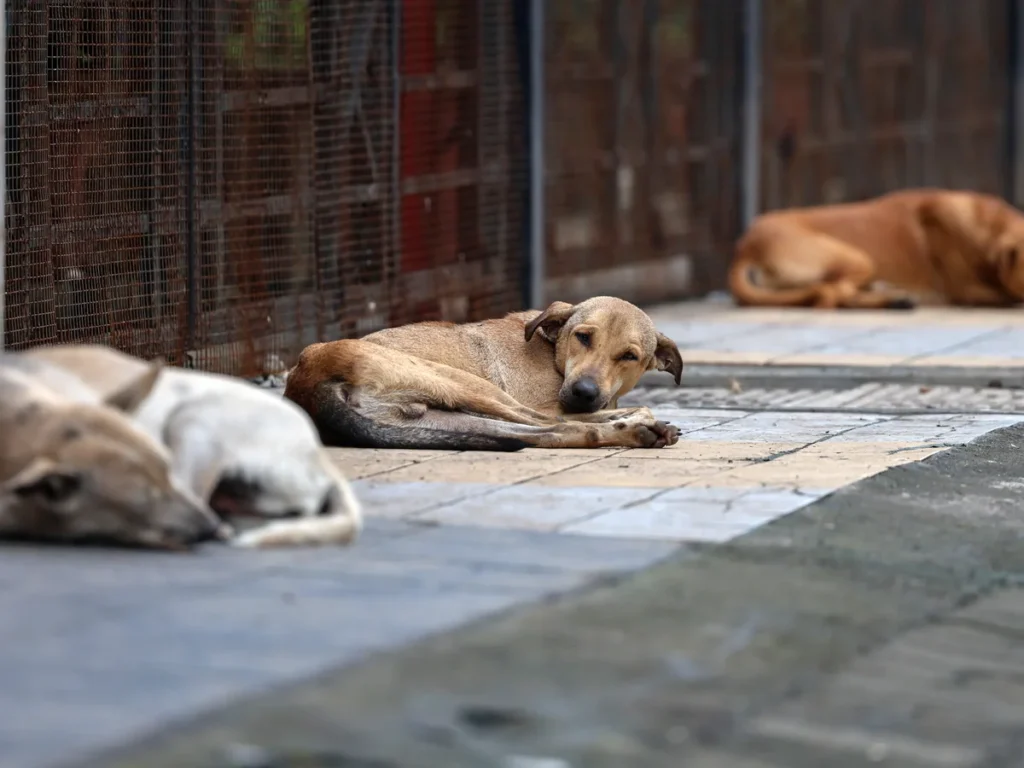
One of the biggest challenges street dogs face is access to food and clean water. They often rely on leftovers, garbage, or the kindness of people to survive. In addition, street dogs are vulnerable to diseases, injuries from accidents, harsh weather conditions, and mistreatment. Without timely veterinary care, even minor health issues can become life-threatening.
Animal welfare organizations and volunteers play a vital role in improving the lives of street dogs. Through feeding programs, vaccination drives, sterilization campaigns, and rescue efforts, they help control the stray dog population while ensuring better health and safety for the animals. Public awareness and responsible community involvement are also essential for creating a safer environment for both people and dogs.
Adoption is one of the most effective ways to give street dogs a better future. Many street dogs are intelligent, loyal, and adaptable companions. By adopting a rescued dog, families not only gain a loving pet but also help reduce the number of animals living on the streets. Adoption provides dogs with a safe home, proper nutrition, medical care, and the affection they deserve.
Supporting street dog welfare through adoption, volunteering, donations, and compassionate treatment can make a significant difference. Together, communities can help create a future where every dog has the opportunity to live a healthy, safe, and happy life.